 Feyenoord Hub
Introduction
In recent weeks, Feyenoord, also known as De Stadionclub, has shown mixed form in the Eredivisie. After a strong start to the season, the team has encountered some issues that necessitate a reassessment of their tactical approach. This article delves into the recent adjustments in Feyenoord's playing style and what they mean for their title aspirations.
Tactical Analysis
In the past few matches, Feyenoord's coach, Arne Slot, has made some significant changes to the team's lineup and playing style. The traditional 4-2-3-1 formation no longer seems to yield the desired results. Instead, Slot has experimented with a 3-5-2 formation that offers more defensive stability, but can also reduce attacking potency.
- Three central defenders provide extra protection against counter-attacks.
- Wing-backs like Marcus Pedersen and Timo Letschert can contribute both offensively and defensively.
- Two forwards apply more pressure on the opposition's defense.
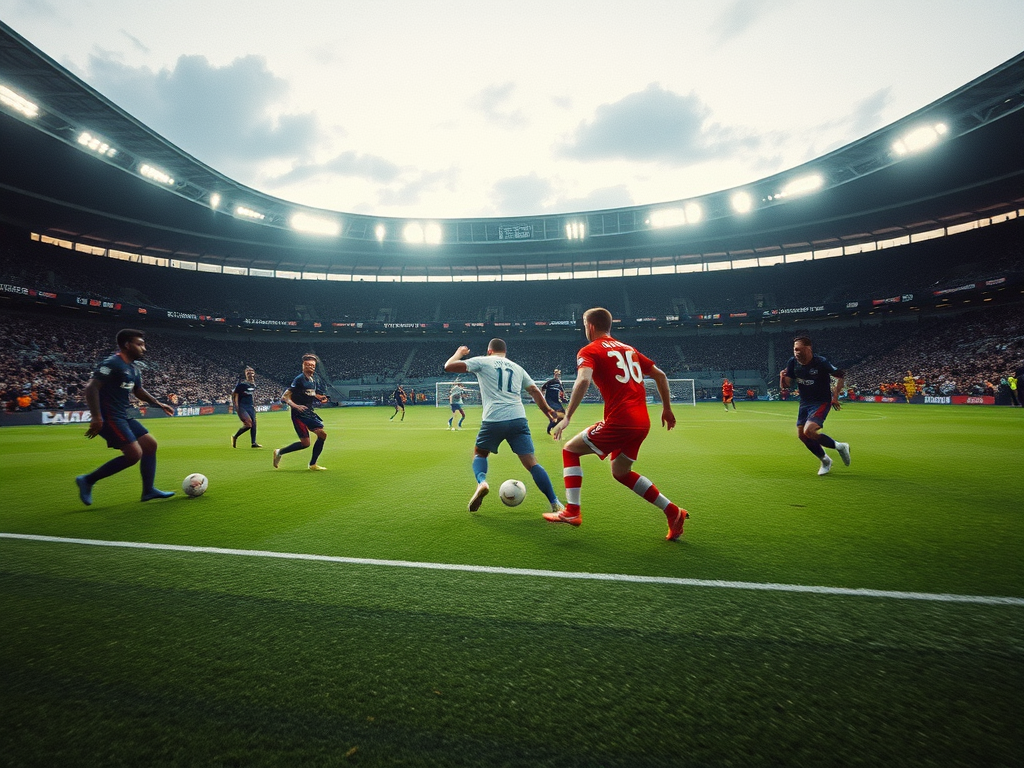
However, these changes haven't always had the desired effect. In the recent match against PSV Eindhoven on 15 October, where Feyenoord lost 2-1, there were clear signs of a lack of creativity and coherence in attack. The new formation appears to be a short-term fix, but more is needed to get the club back on track.
What this means for Feyenoord
For the Feyenoord fanbase, this phase of the season is frustrating. After a promising start with several convincing victories, the recent results have been disappointing. Fans are concerned about the future, especially with their title chances now at risk.
- Dropping points against direct competitors like PSV and Ajax has consequences for motivation.
- The pressure on players will increase, especially on stars like Santiago Giménez and Orkun Kökçü, who must now shoulder extra responsibilities.
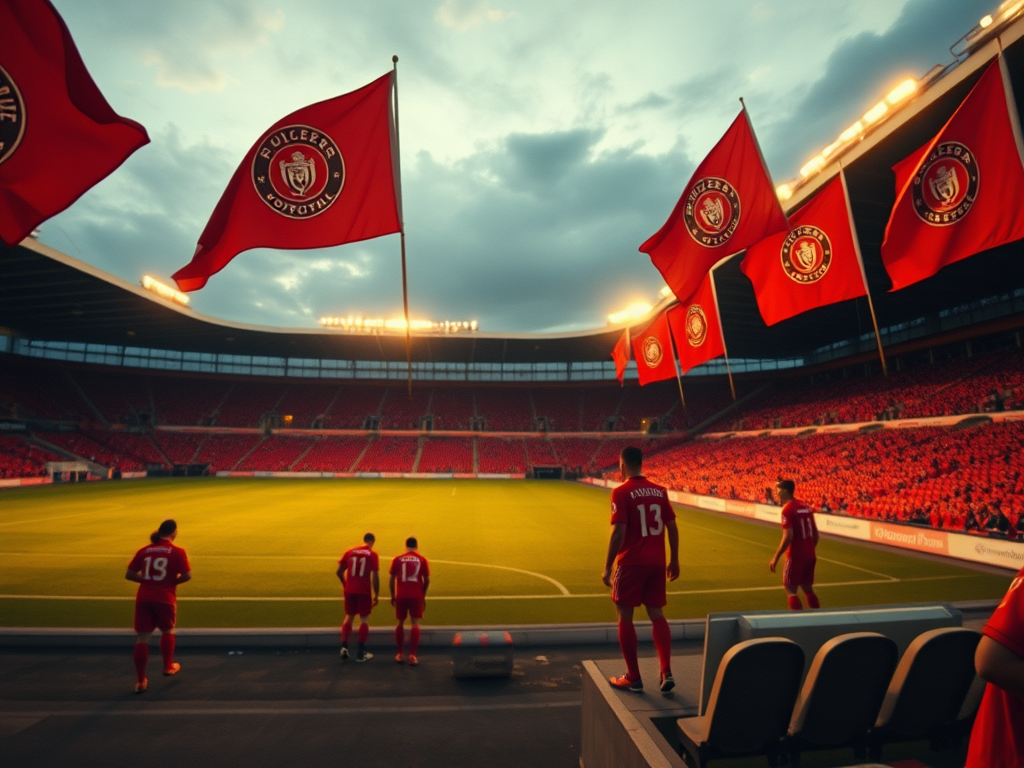
For the supporters, it’s essential that the club not only focuses on tactical adjustments but also strengthens the mental resilience of the team. The connection with the fans can play a crucial role in turning the current form around.
The Broader Competitive Landscape
The Eredivisie is particularly competitive this season, with multiple clubs vying for top positions. Ajax, PSV, and even AZ Alkmaar are in excellent form, making it challenging for Feyenoord to keep up. The pressure to perform is higher than ever.
- Ajax currently leads the league, with a strong attacking line that puts pressure on opponents' defenses.
- PSV is closely following, with a solid midfield that can control matches.
- AZ has performed surprisingly well and can be considered a dark horse in the title race.
Feyenoord needs to not only focus on its own performances but also on the strengths and weaknesses of these competitors. By better anticipating their tactics, Feyenoord can get itself back in the race.
Fan Reaction and Future Outlook
Fan response to Feyenoord's recent form has been mixed. While some maintain faith in Arne Slot's capabilities, there are critical voices questioning his decisions. The adjustments in formation, while strategic, have not always led to the desired results.
- Some supporters are calling for a return to the 4-2-3-1 formation that was previously successful.
- Others advocate for more youth players in the starting lineup, who may bring more energy and creativity to the team.
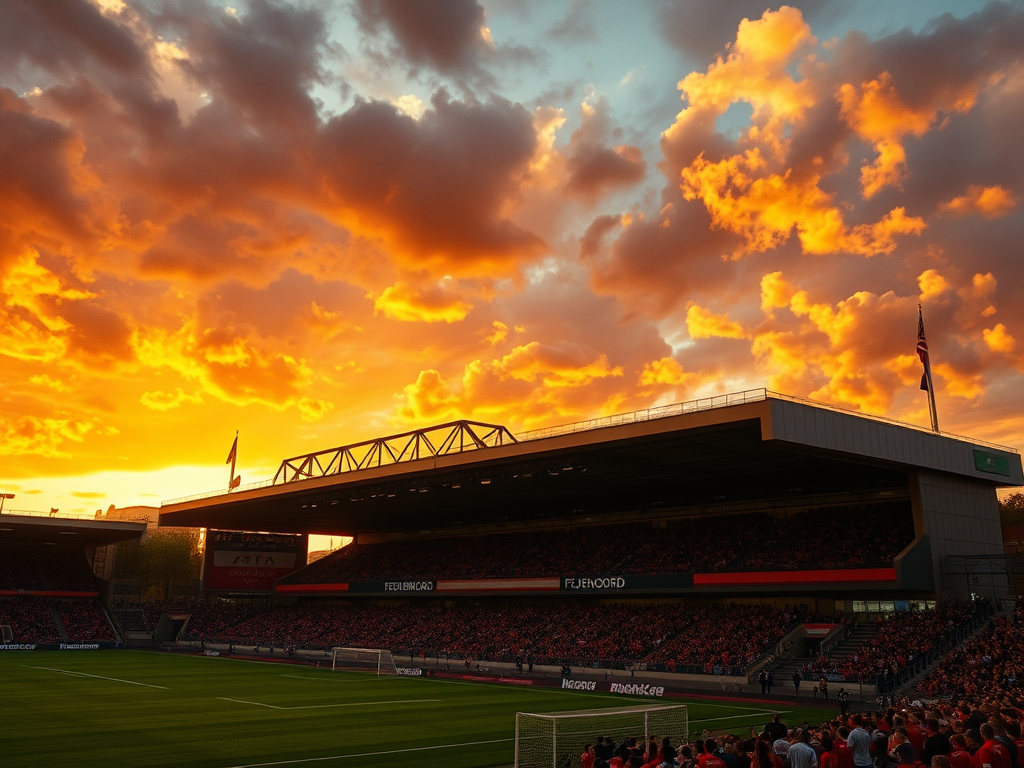
It is crucial for Feyenoord to not only look at the numbers but also to consider the emotional connection with the fans. The atmosphere in the stadium can have a massive impact on team results.
What's next?
Feyenoord must act quickly to revive its season. The upcoming matches are critical, and the adjustments made now need to translate into better performances on the pitch. The club needs to invest in both tactical and mental preparation to compete again with the top teams in the Eredivisie.
This is a time of change and adaptation for Feyenoord. The coming weeks will be crucial for the club's recovery and its relationship with its fanbase. If the team can find its form again, the season may still take a positive turn.