 Feyenoord Hub
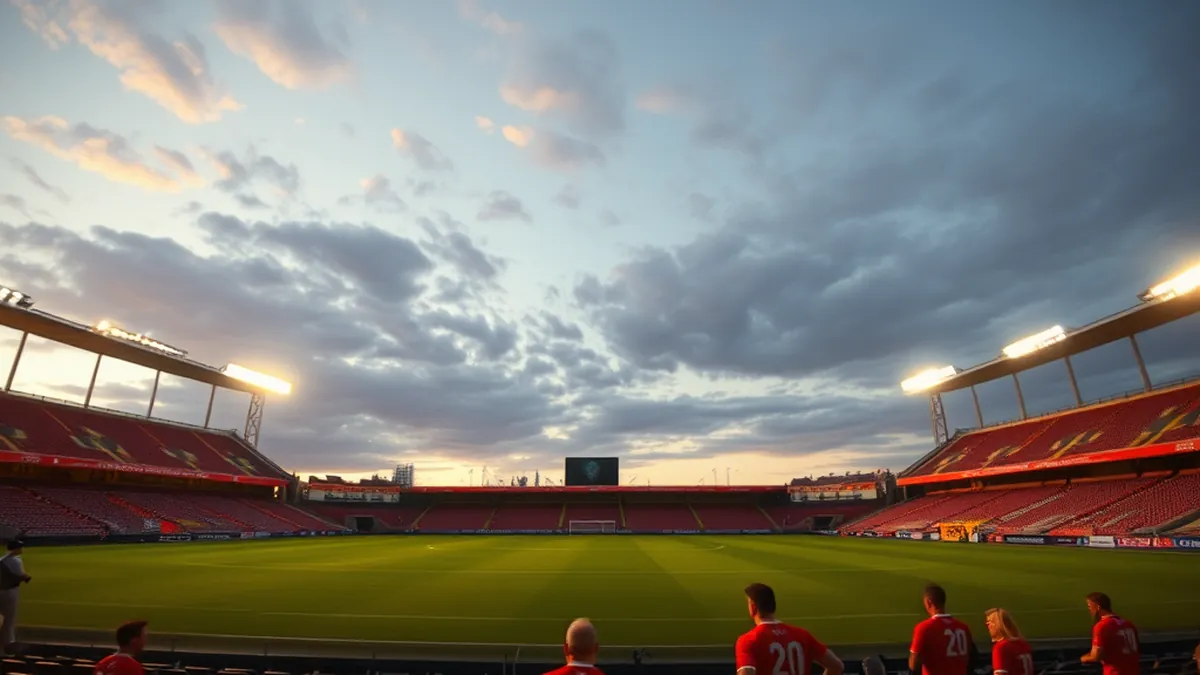
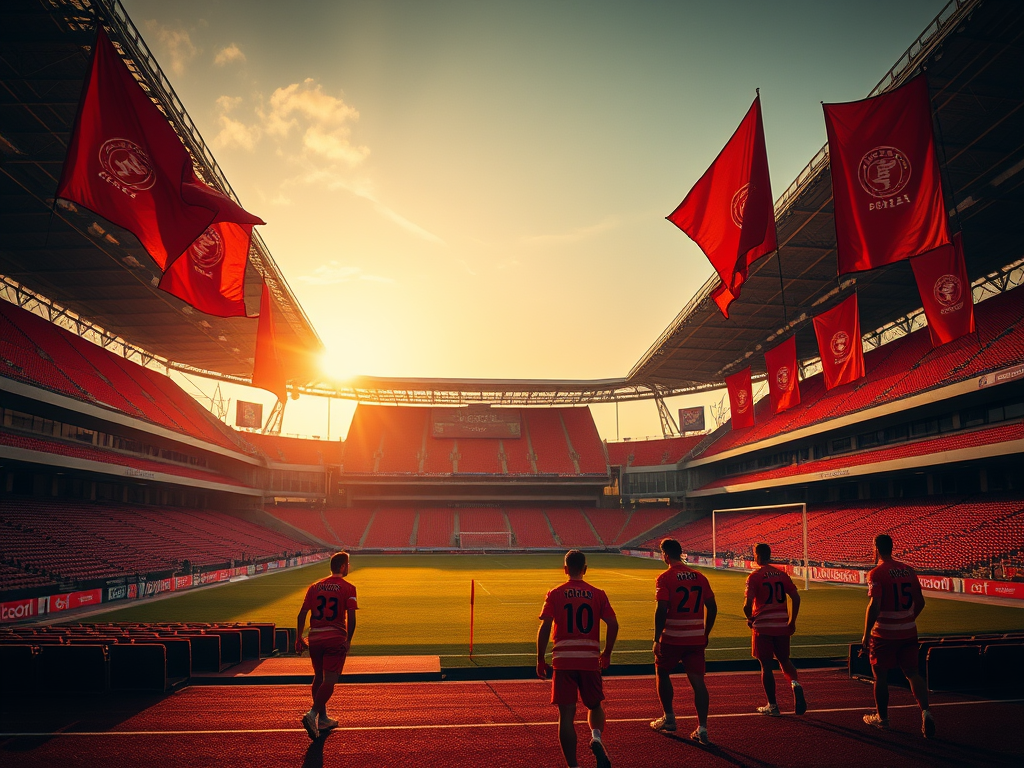
Feyenoord takes a historic step by acquiring a majority of shares in De Kuip. The club becomes the owner of the football stadium. The shareholders of De Kuip have agreed to an amendment to the articles of association that makes this possible. Feyenoord receives 80,635 new shares and pays almost 3.7 million euros. The club has agreed to invest three to five million euros annually in necessary maintenance and investments over the next ten years. De Kuip is in a difficult financial situation after the plans to build a new stadium were cancelled. The stadium could no longer afford the necessary maintenance. Feyenoord and De Kuip are still two separate companies that operate independently. The stadium is now a subsidiary of the football club. In the next three years, Feyenoord is not allowed to sell the shares in the stadium to another party. The merger between Feyenoord and De Kuip is being implemented as follows. Stadion Feijenoord issues 80,635 new shares, which are purchased by Feyenoord for almost 3.7 million euros. This money is directly available for necessary maintenance. The club wants to have a stadium that meets the requirements of supporters, staff and selection, the KNVB, UEFA and the government in the short and long term. In particular, in the next five years, significant investments will be made in the stadium. It is money that De Kuip urgently needs. The shareholders of De Kuip met on Thursday evening in the stadium to vote on the merger. There were hundreds of people present in the Guus Brox hall of the stadium. Earlier, the Vereniging Aandeelhouders Stadion Feijenoord had already given a positive voting advice to all shareholders. Initially, they were critical of the plans, but after negotiations, they still agreed. Among other things, there was talk of guaranteed seats for shareholders and the term for which they are available. There was also negotiation about the valuation of the shares, in case people want to sell their share due to this decision. Feyenoord has agreed to invest three to five million euros annually in necessary maintenance and investments, in addition to paying the regular rent of around five million. Over ten years, this will be a financial injection of 41.5 million euros into the stadium, in addition to the rent costs. The club wants to have a stadium that meets the requirements of supporters, staff and selection, the KNVB, UEFA and the government in the short and long term. In particular, in the next five years, significant investments will be made in the stadium. It is money that De Kuip urgently needs. De Kuip is in a difficult financial situation after the plans to build a new stadium were cancelled. During the development of a new stadium, De Kuip incurred many costs, while maintenance of the current stadium was neglected. The stadium could no longer afford the necessary maintenance. For example, it's about plumbing and cabling. The maintenance was so necessary that even the license for professional football in De Kuip was at risk. That risk has been averted with this deal with Feyenoord, according to the stadium management.
Club
Feyenoord takes majority stake in De Kuip
Feyenoord becomes owner of De Kuip with a majority of shares. The club invests 41.5 million euros in the stadium. Read the latest news on the takeover