 Feyenoord Hub
Feyenoord, the pride of Rotterdam, has experienced many highs and lows throughout its history. However, one of the most memorable moments in the club's history is undoubtedly the opening of Stadion Feijenoord, better known as De Kuip, in 1937. This stadium has not only hosted Feyenoord's home games but has also become a cultural icon that captures the soul of the club and its supporters.
The construction of De Kuip was an ambitious project that began in the early 1930s. Feyenoord needed a new stadium that could accommodate the growth of the club and its increasingly large fanbase. The design of De Kuip, created by architects E. H. van der Waal and J. W. K. de Jong, was revolutionary for its time. With a capacity of around 63,000 spectators, it was the largest stadium in the Netherlands at that time.
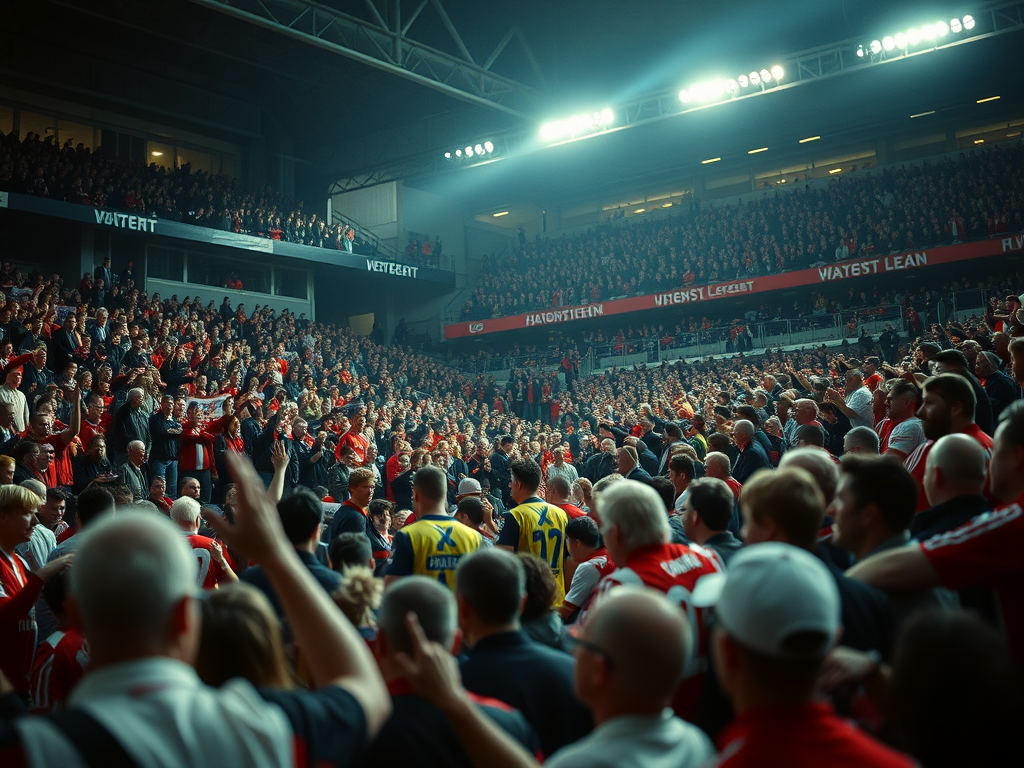
The opening took place on March 12, 1937, and the first match was a friendly encounter between Feyenoord and the Belgian side Beerschot. De Kuip was an immediate success; the atmosphere was electric, and the fans were ecstatic. This stadium quickly became a fortress for the club, a place where unforgettable memories were made, from glorious victories to heartbreaking defeats.
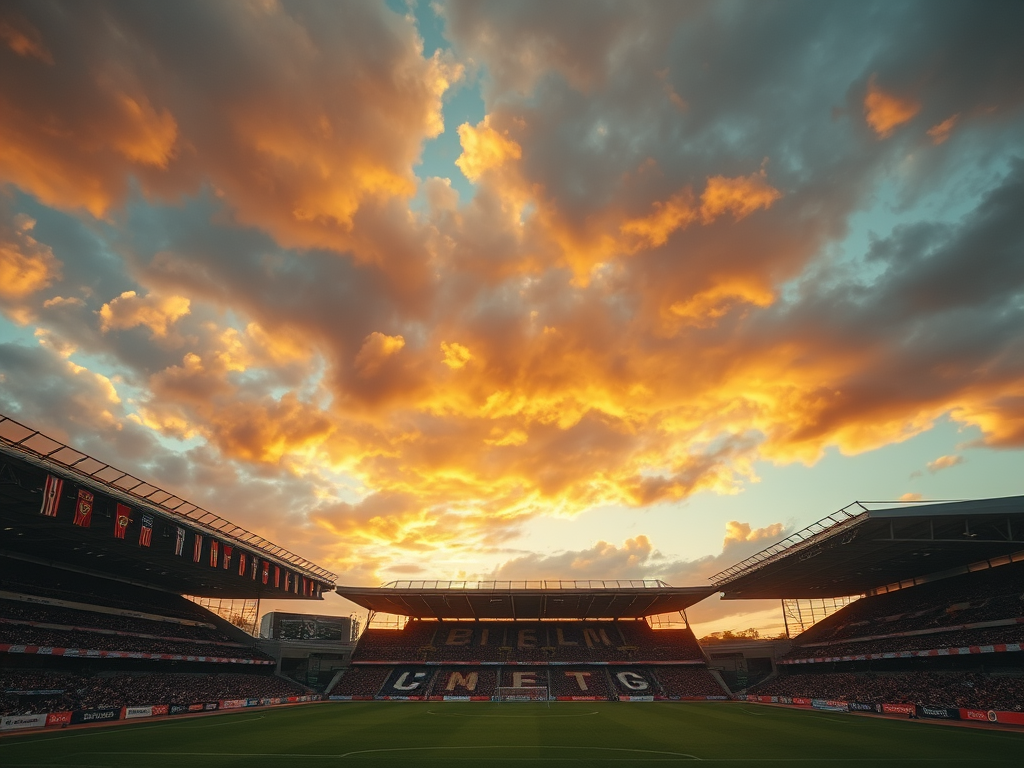
With its distinctive round shape and iconic green seats, De Kuip is more than just a stadium. It is a place where generations of Feyenoord fans come together to support their club. The legendary atmosphere that hangs in the stadium is something that is hard to describe. It’s an undeniable combination of passion, pride, and loyalty that makes every match a unique experience.
De Kuip has also played a crucial role in Feyenoord's international successes. The stadium has been the setting for numerous European matches, including the historic UEFA Cup victory in 1974 and the European Supercup in 1970. The energy of the fans, who support their team unconditionally, has often made the difference in crucial matches.
The significance of De Kuip extends beyond football; it is a cultural center that hosts events and concerts, and a place where the community comes together. De Kuip is a living monument that reflects the history of Feyenoord and will continue to inspire the dreams of future generations.
Today, as Feyenoord prepares for the future, De Kuip remains the heart of the club. Plans for renovation and modernization ensure that the stadium retains its iconic status while meeting the demands of modern times. It is vital that future generations experience the magic of De Kuip, just as the fans of yesteryear did. De Kuip will always be the soul of Feyenoord, a place where history is written and memories are made.
Feyenoord and De Kuip are inextricably linked. The stadium remains not only a home for the players but also a sanctuary for supporters, where every match presents a new opportunity to celebrate the club's glory.